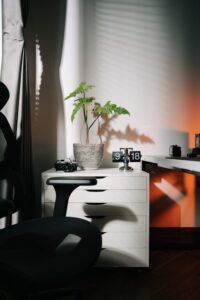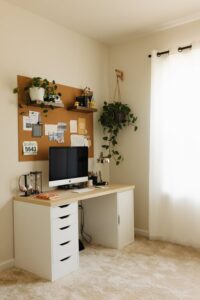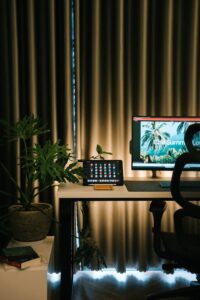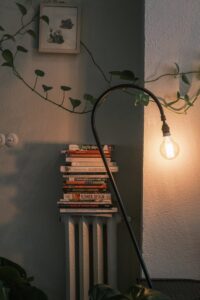
Creating a relaxing home office environment is essential for staying focused and productive while working remotely. With many people spending hours daily in their home workspaces, the right surroundings can make all the difference. This guide offers helpful tips to design an office that feels comfortable, reduces stress, and boosts your efficiency.
Why a Relaxing Home Office Matters
Your workspace influences your mood and output. A cluttered or uncomfortable area can lead to distractions, fatigue, and frustration. Conversely, a thoughtfully arranged, calming office promotes clear thinking and work satisfaction. Prioritizing relaxation in your office setup benefits both your mental and physical health.
Choose the Right Location
Start by selecting a spot in your home that suits your work style:
– Quiet and Private: Find a room or corner away from household noise to minimize interruptions.
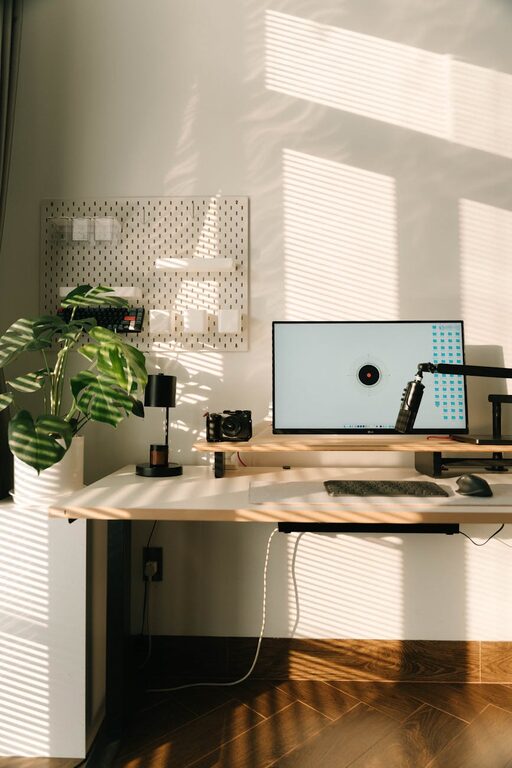
– Natural Light: Position your desk near a window if possible. Natural light helps reduce eye strain and lifts your mood.
– Ventilation: Ensure good airflow for comfort and alertness.
Avoid areas with heavy foot traffic or where you might feel cramped.
Invest in Comfortable Furniture
Ergonomic furniture supports your body and encourages good posture:
– Chair: Choose an adjustable chair with lumbar support and cushioning.
– Desk: Pick a desk that suits your tasks and height – standing desks or adjustable options are great if you like to alternate positions.
– Accessories: Use keyboard trays, footrests, and monitor stands to keep wrists, feet, and neck comfortable.
Comfortable furniture helps prevent aches and maintains energy levels throughout the day.
Organize Your Space
An uncluttered workspace reduces stress and distractions:
– Storage Solutions: Use shelves, drawers, and organizers to keep documents and supplies neat.
– Minimalist Design: Keep only essential items on your desk.
– Cable Management: Tidy cables with clips, ties, or covers for a clean look.
Regularly declutter your space to maintain order and a calm atmosphere.
Use Calming Colors and Décor
Colors and decoration influence your mood and focus:
– Choose Soothing Colors: Soft blues, greens, or neutral tones promote tranquility.
– Add Plants: Indoor plants improve air quality and create a peaceful vibe.
– Personal Touches: Include calming artwork or photos that inspire positivity.
Avoid overly bright or distracting prints that might disrupt concentration.
Control Lighting and Noise
Proper lighting and noise control enhance your comfort:
– Layered Lighting: Combine ambient light with task lighting to avoid eye strain.
– Adjustable Lamps: Use desk lamps with adjustable brightness and direction.
– Noise Management: Use noise-cancelling headphones, white noise machines, or soft background music to block distractions.
Maintaining control over these factors helps create a stable work environment.
Incorporate Break and Movement Areas
Relaxation also means moving away from work tasks occasionally:
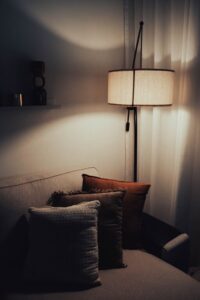
– Create a Break Zone: Set up a comfortable chair or small couch for short rests.
– Encourage Movement: Use standing desks, stretch regularly, or have space for simple exercises.
– Hydration and Snacks: Keep water and healthy snacks nearby to stay refreshed.
Scheduling breaks and movement helps reduce fatigue and increases long-term focus.
Use Technology Wisely
Technology can both help and hinder relaxation:
– Ergonomic Accessories: Invest in wireless keyboards and mice for comfort.
– Limit Notifications: Mute non-essential alerts during focused work times.
– Use Apps: Employ apps for organization, focus timers, or calming sounds.
Smart use of technology minimizes disruptions and supports productivity.
Maintain Cleanliness and Freshness
A clean space feels inviting and reduces stress:
– Daily Tidying: Spend a few minutes each day clearing your desk and organizing.
– Air Quality: Regularly open windows or use air purifiers.
– Fragrance: Use subtle scents like lavender or eucalyptus to enhance calm.
Cleanliness contributes to a positive, relaxed mindset.
Final Thoughts
Designing a relaxing home office is about balance — between comfort, functionality, and personal style. By choosing the right location, investing in ergonomic furniture, organizing effectively, and creating a calming atmosphere, you can enhance your work-from-home experience. Remember to listen to your body and mind’s needs, adjusting the space as necessary.
With these tips, your home office can become a place where productivity and relaxation work hand in hand for a happier, healthier workday.