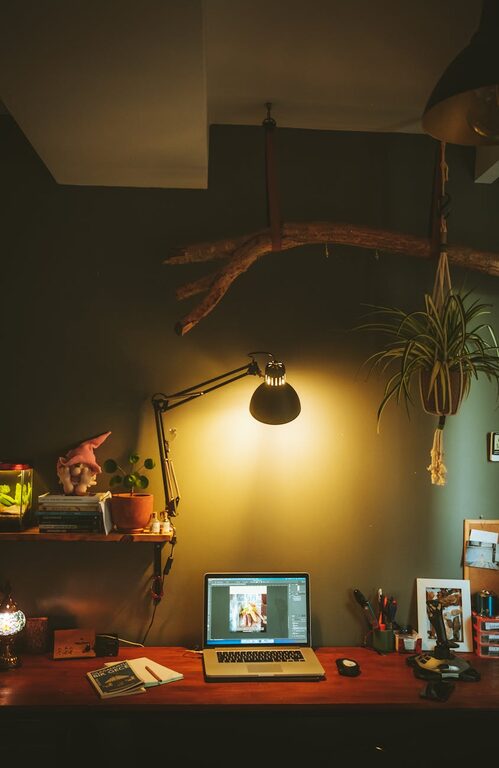
Creating a cozy and productive home workspace is essential for anyone who spends a significant amount of time working from home. A well-designed space can improve focus, reduce stress, and make your workday more enjoyable. Whether you have a dedicated room or a small corner in your living area, there are simple ways to enhance your home office. Here are practical tips to help you build a comfortable and efficient workspace.
Choose the Right Location
The first step in setting up your workspace is selecting the ideal spot in your home. Consider these factors:
– Natural Light: Aim for a space near a window to take advantage of natural daylight. This reduces eye strain and boosts mood.
– Minimal Distractions: Pick an area away from busy household zones, like the kitchen or TV area.
– Space for Movement: Make sure there’s enough room to move comfortably and occasionally stretch during breaks.
If you don’t have a separate room, a quiet corner or a nook with a door can still be effective.
Invest in Comfortable Furniture
Comfort is key to maintaining productivity during long working hours.
Ergonomic Chair
Choose a chair that supports your back well and encourages good posture. Adjustable seats, lumbar support, and armrests help reduce fatigue.
Desk
Select a desk with enough surface area for your computer, notebooks, and other essential tools. Consider a desk at the right height to avoid strain on your wrists and shoulders.
Add a Footrest and Keyboard Tray
For additional comfort, a footrest can help improve circulation, while a keyboard tray ensures your wrists stay in a neutral position.
Organize Your Space Efficiently
A clutter-free environment can enhance mental clarity and focus.
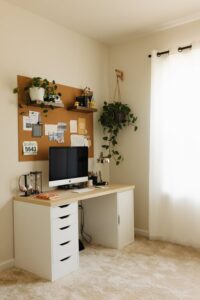
– Storage Solutions: Use shelves, drawers, or filing cabinets to keep documents and supplies neatly organized.
– Desk Organizers: Small containers or trays help keep pens, paper clips, and other small items in order.
– Cable Management: Use clips or sleeves to organize wires and cords, preventing tangles and a messy look.
Regularly declutter your workspace to maintain a tidy environment.
Personalize Your Workspace
Adding personal touches can make your workspace more inviting and motivate you.
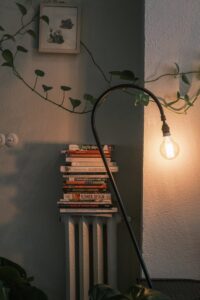
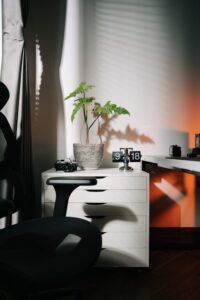
– Plants: Small indoor plants improve air quality and add a relaxing natural element.
– Artwork or Photos: Hang or place images that inspire or comfort you.
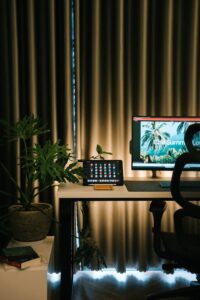
– Lighting: Use desk lamps with adjustable brightness for task lighting. Warm light creates a cozy atmosphere.
Avoid over-decorating to keep distractions to a minimum.
Manage Lighting Wisely
Good lighting reduces eye strain and keeps you alert.
– Prioritize Natural Light: Adjust your desk position to utilize daylight without glare on screens.
– Layered Lighting: Combine ambient (ceiling lights), task (desk lamp), and accent lighting to control brightness throughout the day.
– Use Adjustable Lamps: These allow you to focus light where it’s most needed.
Avoid harsh fluorescent lights as they can be tiring.
Incorporate Technology Thoughtfully
Use technology that supports your work without causing frustration.
– Reliable Internet: Ensure your workspace has strong Wi-Fi or wired connection.
– Quality Equipment: Invest in a good monitor, keyboard, and mouse that suit your tasks.
– Noise-Cancelling Headphones: Helpful in reducing background noise, improving concentration.
Keep your tech organized and within reach to minimize interruptions.
Establish Work Habits and Boundaries
A cozy and productive workspace is also about mindset.
– Set Work Hours: Define start and finish times to separate work and personal life.
– Break Regularly: Stand, stretch, and rest your eyes to maintain energy and focus.
– Limit Non-Work Activities: Avoid using your workspace for unrelated tasks to keep it associated with productivity.
Communicate boundaries with family or roommates to minimize disturbances.
Maintain Air Quality and Temperature
Comfort depends on more than just furniture and lighting.
– Ventilation: Open windows when possible or use air purifiers to keep the air fresh.
– Temperature Control: Use fans, heaters, or air conditioners to maintain a comfortable temperature.
– Humidity: Consider a humidifier if the air tends to be dry.
Good air quality and temperature contribute to overall well-being.
Make Use of Color Psychology
Colors in your workspace can influence mood and productivity.
– Calming Colors: Soft blues or greens promote focus and relaxation.
– Energizing Shades: Yellows or oranges can spark creativity and enthusiasm.
– Neutral Tones: Whites and grays create a clean backdrop that reduces visual noise.
Choose colors that resonate with you and suit your work style.
Keep Your Workspace Flexible
Your needs may change over time.
– Modular Furniture: Pieces that can be rearranged support different work modes, like sitting or standing.
– Multi-purpose Areas: If space is limited, use fold-away desks or portable organizers.
– Regular Updates: Refresh decor and layout periodically to keep the environment stimulating.
Flexibility helps your workspace grow with you.
—
By thoughtfully creating a cozy and productive home workspace, you can improve your work quality and overall enjoyment throughout the day. Taking time to design a space that meets your needs physically and mentally pays off with better focus, comfort, and satisfaction. Start with these tips and adapt as you find what works best for you!