Creating a relaxing home office environment can significantly enhance your productivity and overall well-being while working from home. A calming workspace reduces stress, minimizes distractions, and helps you maintain focus throughout the day. Whether you’re setting up a new home office or refreshing your current one, these practical tips will help you create an environment that fosters relaxation and efficiency.
Why a Relaxing Home Office Matters
Working from home offers flexibility but also presents challenges. Distractions, discomfort, and clutter can disrupt your concentration and lower productivity. A well-designed and peaceful workspace helps you stay motivated, organized, and comfortable. By intentionally creating a relaxing environment, you set yourself up for success every workday.
Choose the Right Location
Find a Quiet Spot
Select a part of your home that is relatively free from noise and interruptions. Away from high-traffic areas like kitchens or living rooms is ideal. If possible, choose a space with a door you can close to signal your “work mode” and reduce distractions.
Maximize Natural Light
Position your desk near a window to benefit from natural sunlight, which can uplift your mood and improve focus. Natural light also helps regulate your sleep-wake cycle, supporting better overall health.
Optimize Your Desk and Seating
Invest in Ergonomic Furniture
Comfortable seating is essential. Choose an ergonomic chair that supports your back and encourages good posture. Your desk should be at a height where your arms rest comfortably while typing.
Keep Your Desk Organized
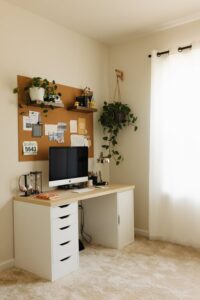
A clutter-free desk reduces stress and helps you think clearly. Use organizers, drawers, or trays to keep essential items within reach but neatly arranged. Limiting knick-knacks or unnecessary items on your desk will maintain a clean and peaceful workspace.
Use Calming Colors and Decor
Choose Soothing Colors
Soft, neutral tones such as light blues, greens, or beige can create a calming atmosphere. These colors are gentle on the eyes and help reduce anxiety during intense work sessions.
Add Personal but Minimal Decor
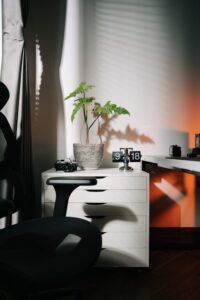
Incorporate a few personal touches like photos, artwork, or a small plant to make the space inviting and inspiring without overcrowding it. Plants, in particular, add a natural element that can improve air quality and boost mood.
Control Lighting and Sound
Adjust Lighting for Comfort
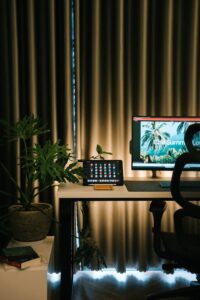
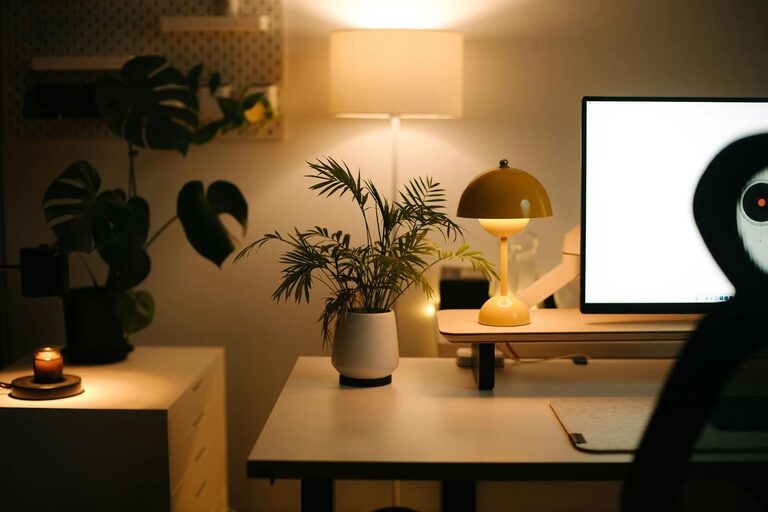
Avoid harsh overhead lighting, which can cause eye strain. Use adjustable desk lamps or floor lamps with warm bulbs to create a softer, more comfortable light. Dimming options are helpful for changing light levels throughout the day.
Manage Noise Levels
If noise is an issue, consider noise-cancelling headphones or white noise machines to block distractions. Soft background music or nature sounds may also help maintain concentration and calmness.
Maintain Good Air Quality and Temperature
Keep Air Fresh
Good ventilation improves focus and alertness. Open windows when possible or use an air purifier to keep your workspace feeling fresh and clean.
Control Room Temperature
Maintain a comfortable temperature that is not too hot or cold. Being physically comfortable supports longer periods of productive work.
Establish Daily Routines and Boundaries
Create a Start and End Ritual
Signaling the beginning and end of your workday helps your brain switch between work and relaxation modes. This could be as simple as making a cup of tea before starting or tidying your desk before finishing.
Set Clear Boundaries
Communicate your work hours with family or roommates to minimize interruptions. Use signage or closed doors to indicate when you should not be disturbed.
Take Regular Breaks to Recharge
Practice the 20-20-20 Rule
Every 20 minutes, look at something 20 feet away for 20 seconds to reduce eye strain.
Move and Stretch
Get up from your desk every hour to stretch or walk around briefly. Physical movement helps refresh your mind and body.
Use Technology to Your Advantage
Organize Digital Workspaces
Keep your desktop and files neatly arranged to reduce mental clutter.
Use Productivity Tools
Apps for task management, focus timers, and reminders can help you stay on track with your work goals.
Final Thoughts
A relaxing home office environment is not just about how the space looks but how it feels and functions for you. By thoughtfully applying these tips, you can create a workspace that promotes calmness, reduces stress, and ultimately improves your productivity. Start small by making one or two changes and notice the difference in your workday. Your home office can become your favorite place to work and thrive.